


Our Mission
Transforming Youth Mental Health in Schools
Adolescence is a pivotal time for mental health, with half of all mental health conditions beginning by age 14. Today’s youth are facing rising rates of anxiety, depression, severe mental illness, and risky substance use—trends made worse by an increasingly divisive and challenging social climate.

The Center for School Behavioral Health at Massachusetts General Hospital is transforming how schools support youth mental health by integrating prevention and early intervention directly into educational settings.
What We Do
Foster collaborative partnerships across sectors: We build strong partnerships with schools, communities, healthcare systems, and policymakers to create a coordinated, responsive behavioral health infrastructure grounded in equity and local context.
Build school capacity to support student behavioral health: We equip schools with tools, training, and resources to support student mental health through Tier 1 and 2 supports- universal and targeted prevention and early interventions.
Uplift innovative, research informed prevention and intervention models: Our programs- iDECIDE™ and iCARE- reduce risk, improve outcomes, and enhance student well-being and parent/ caregiver education.
Translate research into sustainable, scalable practice and policy: We leverage research findings to inform cutting edge program development and advance policy recommendations to ensure long-term sustainability of behavioral health programming within school systems nationwide.
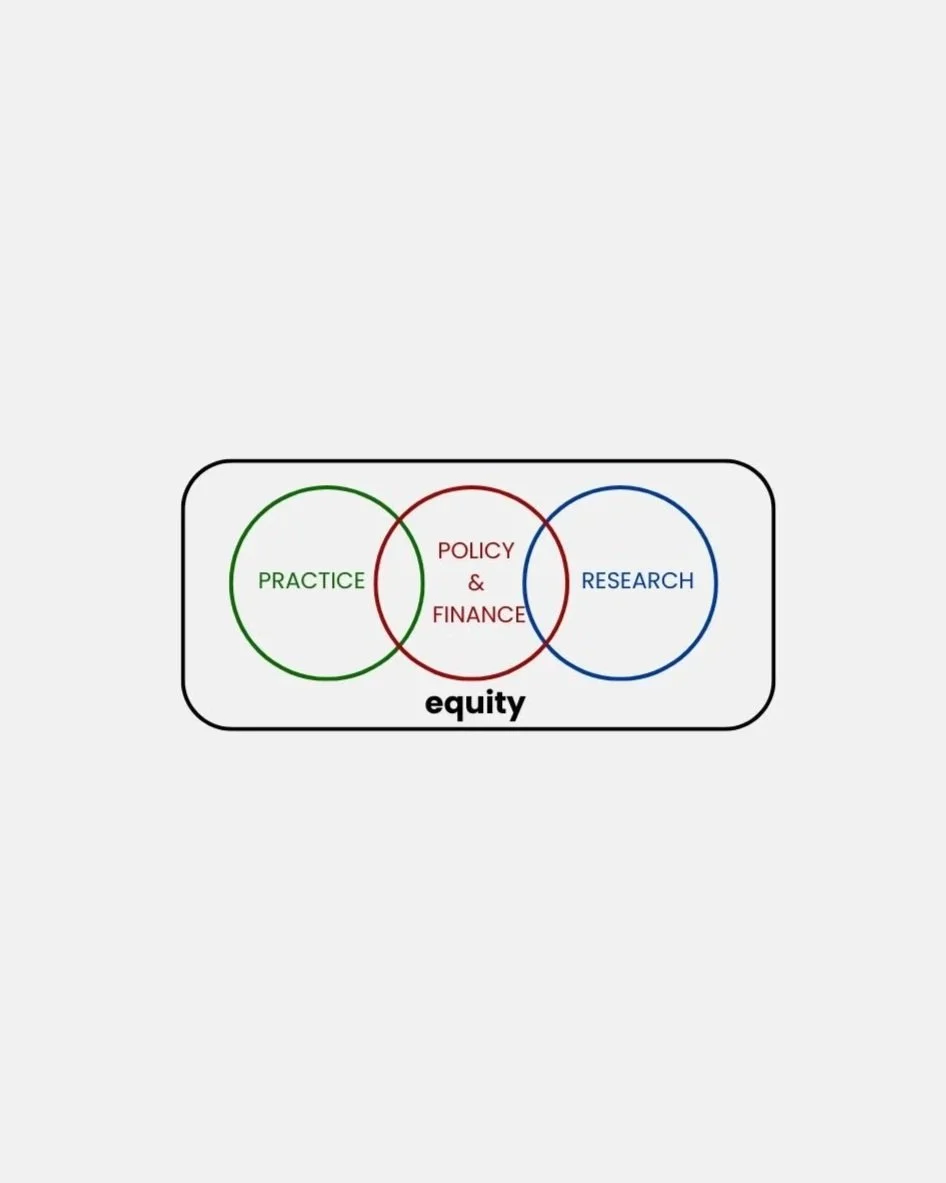
Our approach spans three core areas:
-

Practice
We address the youth behavioral health crisis by recruiting, training, and mobilizing a skilled workforce; developing innovative programs that promote holistic wellness and address co-occurring needs; and providing technical assistance to help schools implement effective behavioral health supports.
-
Research
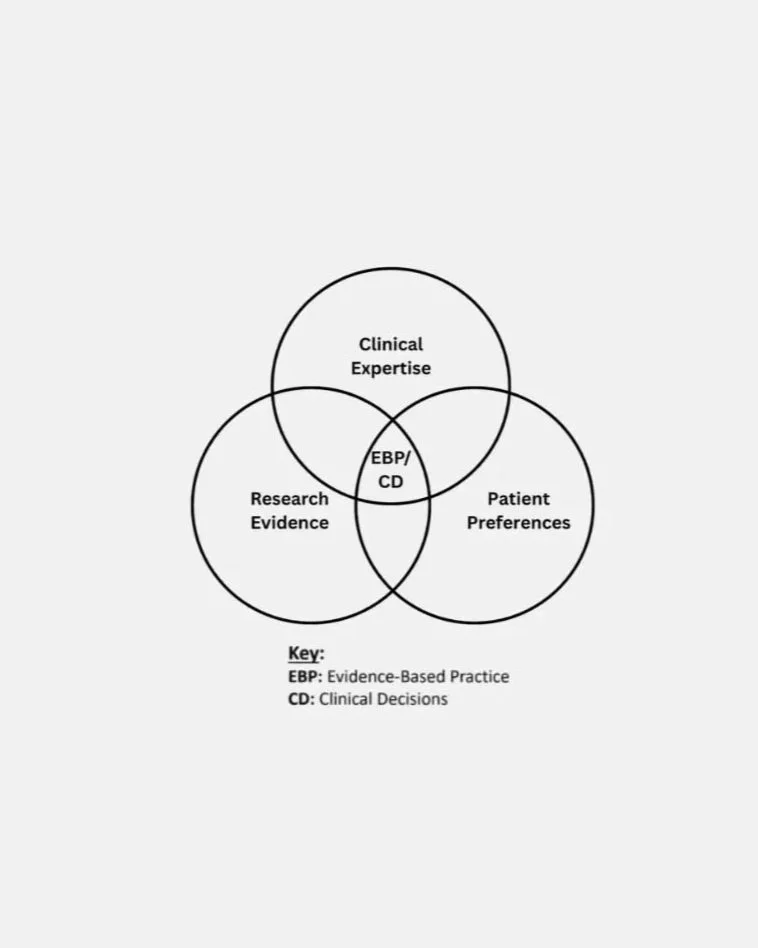
We use data to drive progress through rigorous program evaluation including systematic data collection to inform the development of equitable and effective programs, longitudinal studies to identify optimal strategies, and interactive dashboards that support transparent, data-informed decision-making.
-
Policy
We collaborate with local, state, and federal policymakers to draft funding and policy recommendations that uphold program fidelity and support transitions from grant-funded models to reimbursable, sustainable services.